Delving into Pool Drowning Litigation: Holding Property Owners Responsible for Poor Fencing, this introduction immerses readers in a unique and compelling narrative, with engaging and thought-provoking information from the very first sentence.
Exploring the legal landscape surrounding pool drowning incidents and the accountability of property owners due to inadequate fencing is crucial in understanding the complexities of this issue.
Overview of Pool Drowning Litigation
Pool drowning litigation refers to legal actions taken against property owners who have failed to maintain proper fencing around their pools, resulting in drownings or accidents. This type of litigation is significant as it holds property owners accountable for ensuring the safety of individuals, especially children, who may be at risk of drowning in inadequately protected pool areas.Examples of cases where property owners were held responsible for poor fencing leading to drownings include situations where children or individuals gain unauthorized access to a pool due to faulty or nonexistent fencing.
In such cases, property owners may be found negligent for not taking the necessary precautions to prevent such accidents from happening.The legal implications for property owners in pool drowning litigation can be severe, as they may be held liable for damages, medical expenses, and other costs associated with the drowning incident.
Property owners are expected to adhere to safety regulations and standards when it comes to fencing off their pools to prevent unauthorized access and potential accidents.
Importance of Proper Pool Fencing
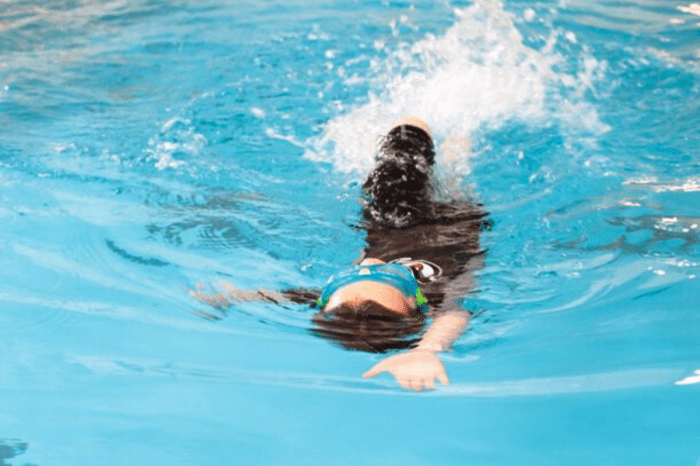
Proper pool fencing is crucial for ensuring the safety of individuals, especially children, around swimming pools. Inadequate fencing can lead to tragic accidents, such as drownings, which could have been prevented with the right safety measures in place.
Reducing the Risk of Pool Drownings
- Statistics show that having proper pool fencing can reduce the risk of pool drownings by up to 83%.
- Children under the age of five are particularly vulnerable to drowning incidents, and a well-secured fence serves as a barrier to prevent unsupervised access to the pool area.
- Research has shown that the majority of child drownings occur in residential pools, highlighting the need for effective fencing to protect young ones from potential hazards.
Common Requirements and Standards
Pool fences are typically required to be at least 4 feet high and have self-closing, self-latching gates to ensure that they remain closed and secure at all times.
- Mesh pool fences are a popular choice due to their durability, transparency, and ability to be easily removed for pool maintenance.
- Some regulations also specify the spacing between fence posts and the ground to prevent children from squeezing through or crawling under the barrier.
- In addition to height and gate requirements, pool fences should be regularly inspected and maintained to ensure their effectiveness in preventing accidents.
Factors Contributing to Pool Drowning Incidents
When it comes to pool drowning incidents, there are several common factors that can contribute to these tragic events. One of the major contributing factors is poor fencing around the pool area.
Poor Fencing as a Major Contributing Factor
Poor fencing can create easy access to the pool for young children or individuals who may not be strong swimmers, increasing the risk of drowning incidents. Without proper barriers in place, the chances of accidental falls or unauthorized access to the pool are significantly higher.
Additionally, inadequate fencing can fail to meet safety standards and regulations set by authorities, leaving property owners legally liable for any accidents that occur on their premises.
Addressing Factors to Prevent Incidents
- Install proper fencing that complies with safety regulations and standards to create a secure barrier around the pool area.
- Regularly inspect and maintain the fencing to ensure there are no gaps, loose parts, or other vulnerabilities that could compromise safety.
- Educate all residents and visitors about pool safety rules and the importance of respecting pool barriers to prevent unauthorized access.
- Consider additional safety measures such as self-locking gates, pool alarms, and surveillance cameras to enhance security and prevent accidents.
Legal Responsibilities of Property Owners
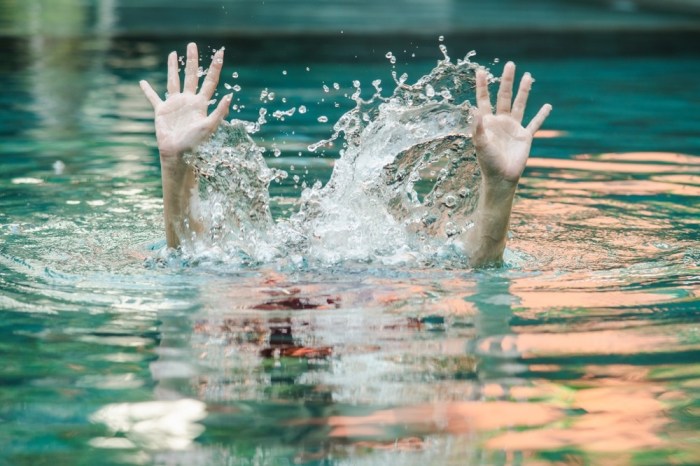
In terms of pool safety, property owners have specific legal responsibilities that must be upheld to prevent accidents and protect individuals using the pool area. One of the key duties property owners owe is the duty of care, which involves taking reasonable steps to ensure the safety of those on their property.
Establishing Liability for Property Owners
- Property owners can be held liable for pool drowning incidents if they fail to provide adequate fencing and safety measures around the pool area.
- Legal precedents have shown that property owners can be found negligent if they do not comply with local regulations regarding pool safety, such as proper fencing requirements.
- In cases where property owners have been found liable for pool drowning accidents, they may be required to compensate the victims or their families for the damages incurred.
Ending Remarks
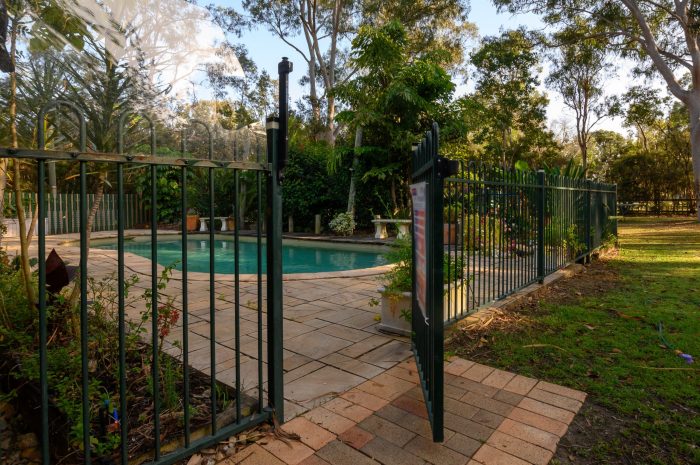
In conclusion, the discussion on Pool Drowning Litigation sheds light on the legal responsibilities of property owners in ensuring pool safety through proper fencing. It emphasizes the need for proactive measures to prevent tragic incidents and uphold the duty of care to protect individuals from harm.
Popular Questions
What are the legal implications for property owners in pool drowning cases?
Property owners can be held liable for poor fencing that leads to drownings, facing legal action and potential compensation claims.
How does proper fencing contribute to reducing pool drowning incidents?
Proper fencing acts as a physical barrier, preventing unauthorized access and reducing the risk of accidental drownings.
What are some common factors that contribute to pool drowning incidents?
Factors such as lack of supervision, inadequate fencing, and non-compliance with safety standards can increase the likelihood of pool drownings.