Crane Accident Claims: Who Is at Fault When Heavy Lifting Equipment Fails? sets the stage for this engaging discussion, providing a comprehensive look into the complexities surrounding crane accidents and liability issues.
As we delve into the different facets of crane accidents, from factors contributing to them to legal responsibilities and safety regulations, a clearer picture emerges of the intricate web of considerations in play.
Factors Contributing to Crane Accidents
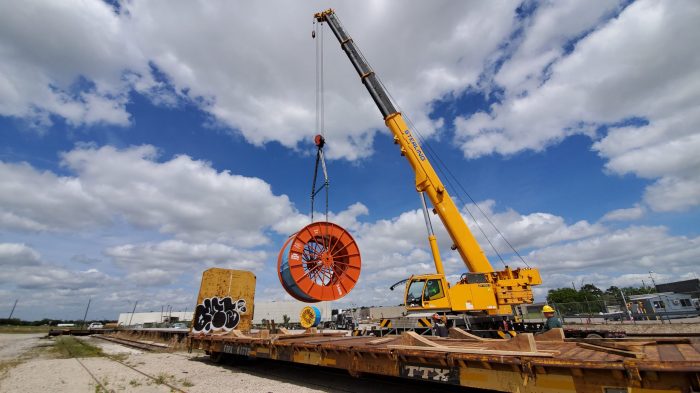
Crane accidents in construction sites can have devastating consequences, leading to injuries, fatalities, and property damage. Understanding the various factors that contribute to these accidents is crucial in preventing future incidents.
Common Causes of Crane Accidents
- Improper crane setup and assembly
- Overloading the crane beyond its capacity
- Lack of proper maintenance and inspections
- Communication failures between operators and ground crew
Role of Human Error in Crane Accidents
- Operating the crane without proper training and certification
- Fatigue and lack of focus among crane operators
- Ignoring safety protocols and guidelines
Impact of Weather Conditions on Crane Operation Safety
- High winds can destabilize the crane and lead to tip-overs
- Heavy rain or snow can affect visibility and crane stability
- Extreme temperatures can impact crane machinery and equipment
Risks Associated with Different Types of Cranes
- Tower cranes pose risks due to their height and complex assembly
- Mobile cranes can be unstable on uneven terrain
- Crawler cranes are at risk of tipping over if not properly stabilized
Legal Responsibility in Crane Accidents
When it comes to crane accidents, determining legal responsibility is crucial in ensuring justice for victims and preventing future incidents. Various parties may be held accountable for a crane accident, depending on the circumstances surrounding the incident.
Concept of Liability in Crane Accident Claims
In crane accident claims, liability refers to the legal responsibility of individuals or entities for the damages or injuries caused by the accident. This could include the crane operator, the construction company, the crane manufacturer, the site owner, or any other party involved in the operation or maintenance of the crane.
Parties That May Be Held Responsible
- The Crane Operator: If the accident was caused by the negligence or incompetence of the crane operator, they may be held liable for the damages.
- The Construction Company: The construction company may be held responsible if they failed to provide proper training, maintenance, or supervision of the crane operations.
- The Crane Manufacturer: If the accident was due to a defect in the crane equipment, the manufacturer could be held accountable for the damages.
- The Site Owner: The owner of the construction site may also bear responsibility if they failed to ensure a safe working environment for crane operations.
Negligence Determination in Crane Accident Cases
In crane accident cases, negligence is determined by establishing whether the party in question failed to exercise reasonable care in preventing the accident. Factors such as lack of proper training, inadequate maintenance, or disregard for safety protocols could indicate negligence on the part of the responsible party.
Legal Implications for Construction Companies
Construction companies involved in crane accidents may face serious legal implications, including lawsuits, fines, and reputational damage. It is essential for construction companies to prioritize safety measures, training programs, and regular equipment inspections to mitigate the risk of crane accidents and avoid legal repercussions.
Safety Regulations and Compliance
When it comes to crane operations, safety regulations and compliance play a crucial role in preventing accidents and ensuring the well-being of workers. Let's delve into key safety regulations, the importance of regular maintenance, safety training, and preventive measures.
Key Safety Regulations for Crane Operations
- Crane operators must adhere to regulations set by the Occupational Safety and Health Administration (OSHA) in the United States or relevant regulatory bodies in other countries.
- Requirements may include proper certification and training for crane operators, regular equipment inspections, and following specific operational guidelines.
- Compliance with load capacity limits, safety protocols during assembly and disassembly, and proper signaling procedures are also mandated.
Importance of Regular Maintenance and Inspection
- Regular maintenance and inspection of cranes are vital to ensure that equipment is in optimal working condition.
- Inspections help identify potential issues before they escalate, reducing the risk of equipment failure or accidents.
- Routine maintenance can address wear and tear, lubrication needs, and other factors that could compromise crane safety.
Role of Safety Training for Crane Operators and Workers
- Proper safety training is essential for crane operators and workers to understand operational risks and safety procedures.
- Training programs cover topics such as load handling, equipment controls, emergency response, and hazard recognition.
- Continuous training ensures that operators remain up-to-date with safety regulations and best practices in crane operations.
Examples of Safety Measures to Prevent Crane Accidents
- Implementing a thorough pre-operation inspection checklist to identify any potential issues before crane use.
- Establishing clear communication protocols between crane operators, signal persons, and other workers on-site.
- Using barricades and warning signs to prevent unauthorized personnel from entering the crane's operating area.
- Regularly reviewing and updating safety procedures based on incident reports and industry best practices.
Compensation and Damages in Crane Accident Claims
When it comes to crane accident claims, understanding the types of compensation available and how damages are assessed is crucial for victims seeking justice and financial recovery.
Types of Compensation Available
- Medical expenses: Covers all medical bills related to injuries sustained in the crane accident.
- Lost wages: Compensation for income lost due to inability to work after the accident.
- Pain and suffering: Non-monetary compensation for physical and emotional distress caused by the accident.
- Property damage: Reimbursement for any personal property damaged in the crane accident.
Process of Filing for Compensation
- Consultation with a personal injury lawyer to assess the case and determine legal options.
- Filing a claim with the insurance company or initiating a lawsuit against the parties at fault.
- Gathering evidence, such as medical records, witness statements, and accident reports, to support the claim.
- Negotiating a settlement or proceeding to trial if a fair compensation agreement cannot be reached.
Assessment of Damages
- Special damages: Quantifiable losses such as medical expenses and lost wages.
- General damages: Non-economic losses like pain and suffering, emotional distress, and loss of enjoyment of life.
- Punitive damages: Additional compensation awarded to punish the negligent party for their actions.
Non-Monetary Damages in Crane Accident Lawsuits
- Emotional distress: Compensation for psychological trauma and mental anguish caused by the accident.
- Loss of consortium: Damages awarded to a spouse for the negative impact the injuries have on the marital relationship.
- Loss of enjoyment of life: Compensation for the inability to engage in activities or hobbies enjoyed before the accident.
Final Thoughts
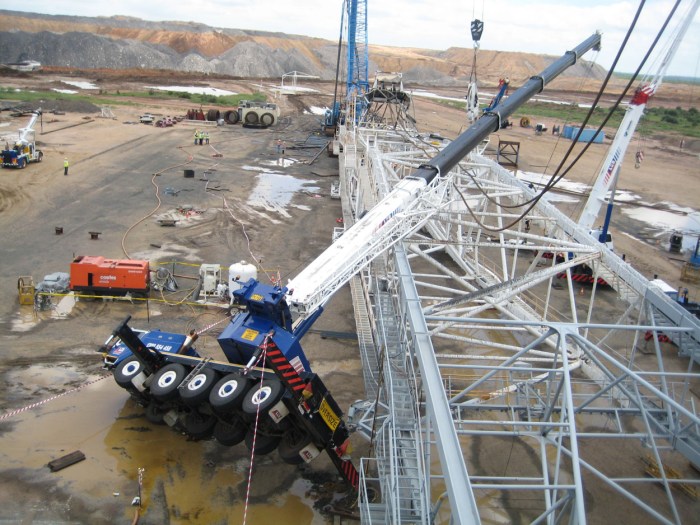
In conclusion, Crane Accident Claims: Who Is at Fault When Heavy Lifting Equipment Fails? sheds light on the multifaceted nature of crane accidents and the crucial importance of safety measures and legal implications in such cases. It serves as a reminder of the need for vigilance and adherence to regulations in order to prevent tragic outcomes.
Popular Questions
Who is usually at fault in crane accidents?
Fault in crane accidents can vary, but common factors include negligence, equipment failure, and human error. Determining liability often involves a thorough investigation.
What are the typical types of compensation in crane accident claims?
Compensation in crane accident claims may include medical expenses, lost wages, pain and suffering, and in some cases, punitive damages.
How can construction companies protect themselves legally in crane accident claims?
To protect themselves, construction companies should adhere to safety regulations, conduct regular equipment maintenance, provide adequate training, and have proper insurance coverage.