Embark on a journey with a Toxic Tort Attorney as they navigate through cases of groundwater and soil contamination, seeking justice for those impacted. This engaging title sets the stage for a deep dive into the world of environmental litigation.
Exploring the complexities of environmental law and the challenges faced by legal professionals in advocating for affected communities, this narrative promises to be both informative and thought-provoking.
Overview of Toxic Tort Attorney Role
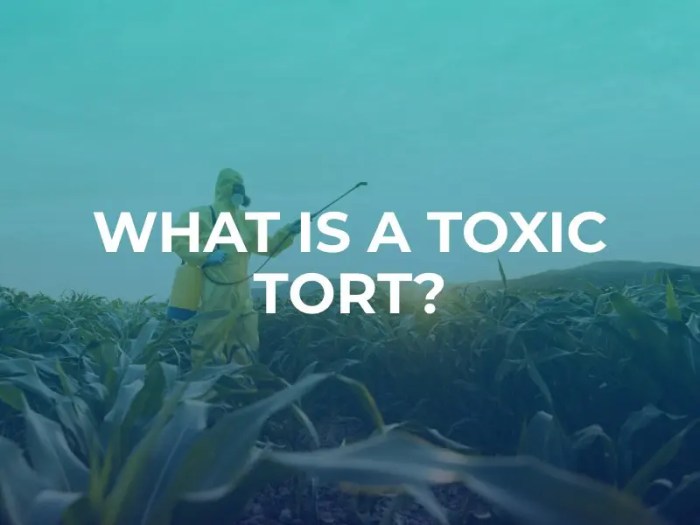
Toxic tort attorneys play a crucial role in representing individuals who have been affected by groundwater and soil contamination cases. These legal professionals specialize in handling cases where individuals have suffered harm due to exposure to toxic substances in their environment.
Examples of Specific Tasks and Responsibilities
- Conducting thorough investigations to determine the source and extent of contamination
- Gathering evidence to support the case, such as medical records, expert testimonies, and environmental reports
- Filing lawsuits against responsible parties, which may include corporations, government entities, or individuals
- Negotiating settlements or representing clients in court to seek compensation for damages suffered
- Educating clients about their legal rights and options for seeking justice in environmental contamination cases
Importance of Seeking Justice for Affected Individuals
Seeking justice for individuals affected by groundwater and soil contamination is crucial for holding responsible parties accountable for their actions. It is essential to ensure that affected individuals receive compensation for medical expenses, property damage, and other losses incurred due to exposure to toxic substances.
Understanding Groundwater and Soil Contamination
Groundwater and soil contamination refer to the presence of harmful substances in the water beneath the Earth's surface and the soil, respectively. This contamination can occur due to various human activities and has serious implications for both human health and the environment.
Causes of Contamination
Industrial activities, landfills, chemical spills, agricultural runoff, and improper waste disposal are common sources of groundwater and soil contamination. These activities often involve the release of toxic chemicals and pollutants that can seep into the ground and contaminate the water table and surrounding soil.
- Industrial activities: Factories and manufacturing plants may release hazardous chemicals into the ground through improper disposal practices or accidental spills.
- Landfills: Waste disposal sites can leach harmful substances into the soil and groundwater if not properly managed and contained.
- Chemical spills: Accidental spills of chemicals or fuels can result in immediate contamination of the surrounding soil and groundwater.
Impact on Health and Environment
Contaminated groundwater and soil pose significant risks to human health and the environment. Exposure to pollutants in drinking water or through direct contact with contaminated soil can lead to various health issues, including respiratory problems, neurological disorders, and even cancer.
Additionally, contamination can harm ecosystems, disrupt natural habitats, and contaminate food sources.
It is crucial to address groundwater and soil contamination promptly to prevent further harm to both human populations and the environment.
Legal Framework for Groundwater and Soil Contamination Cases
Groundwater and soil contamination cases are governed by a set of laws and regulations aimed at protecting the environment and public health. These laws Artikel the responsibilities of individuals, companies, and government agencies in preventing, managing, and cleaning up contaminated sites.
CERCLA (Comprehensive Environmental Response, Compensation, and Liability Act)
CERCLA, also known as Superfund, is a key statute in environmental law that provides a framework for responding to releases of hazardous substances into the environment. It establishes a fund for cleaning up contaminated sites and holding responsible parties liable for the costs of remediation.
- CERCLA allows for the cleanup of hazardous waste sites through a process known as the National Priorities List (NPL), which prioritizes sites based on the level of risk they pose to human health and the environment.
- Under CERCLA, parties responsible for the contamination, known as potentially responsible parties (PRPs), can be held financially accountable for cleanup costs, even if they did not directly cause the contamination.
- The law also includes provisions for citizen suits, allowing individuals and communities to take legal action against polluters to enforce compliance with environmental regulations and seek damages for harm caused by contamination.
Application of Laws in Seeking Justice for Affected Communities
The laws and regulations governing groundwater and soil contamination cases play a crucial role in seeking justice for affected communities. By holding polluters accountable for their actions and ensuring the cleanup of contaminated sites, these legal frameworks help protect public health and the environment.
It is essential for legal professionals, such as toxic tort attorneys, to have a deep understanding of these laws and how they can be applied to advocate for affected communities and ensure that those responsible for contamination are held accountable.
Investigating Contamination Cases
When it comes to investigating groundwater and soil contamination cases, a detailed and systematic approach is essential to gather evidence and build a strong case. This process involves the collaboration of various experts and professionals who play crucial roles in identifying the source of contamination and assessing its impact on the environment and public health.
Role of Environmental Experts, Scientists, and Forensic Analysts
Environmental experts, scientists, and forensic analysts are instrumental in investigating contamination cases. They utilize their expertise in conducting field assessments, analyzing samples, and interpreting data to determine the extent of contamination and its potential risks. These professionals work closely with legal teams to provide scientific evidence and expert testimony in court proceedings.
- Data Collection: Environmental experts collect data through site visits, interviews, and document reviews to understand the history and activities that may have led to contamination.
- Sampling: Scientists take soil and water samples from the affected area to analyze the presence of contaminants and their concentrations.
- Analysis: Forensic analysts use advanced techniques to analyze samples and identify the specific contaminants present, helping establish a causal link between the contamination and its sources.
Data collection, sampling, and analysis are critical in uncovering the truth behind contamination cases and holding responsible parties accountable.
Building a Case for Compensation
When it comes to toxic tort lawsuits involving groundwater and soil contamination, building a strong case for compensation is crucial. This process involves gathering evidence, proving causation, and establishing liability to secure financial relief for the affected parties.
Challenges of Proving Causation and Liability
- Proving causation in groundwater and soil contamination cases can be challenging due to the complex nature of environmental pollutants and their effects on human health.
- Establishing liability requires demonstrating that the responsible party, such as a corporation or government entity, is legally accountable for the contamination and resulting damages.
- The burden of proof lies on the plaintiff to show a direct link between the contamination and the harm suffered, which can be difficult without solid scientific evidence.
Successful Legal Strategies
- Conducting thorough investigations to identify the sources of contamination and track the pathways of pollutants to establish a clear chain of causation.
- Utilizing expert witnesses, such as environmental scientists and health professionals, to provide testimony on the impact of the contamination and strengthen the case.
- Filing lawsuits based on strict liability, negligence, or other legal theories to hold the responsible parties accountable for the damages caused by the contamination.
- Negotiating settlements or pursuing litigation to secure compensation for medical expenses, property damage, loss of income, and other harm suffered by the plaintiffs.
Final Review
As we conclude this discussion on Toxic Tort Attorney: Seeking Justice for Groundwater and Soil Contamination Cases, it becomes evident that the pursuit of justice in environmental contamination cases is a crucial endeavor. Through legal expertise and dedication, attorneys strive to secure compensation and accountability for those affected.
FAQ
What are common sources of groundwater and soil contamination?
Industrial activities, landfills, and accidental spills are common sources of contamination.
How do laws like CERCLA impact groundwater and soil contamination cases?
Laws like CERCLA provide a framework for addressing contamination and assigning liability to responsible parties.
What role do environmental experts play in investigating contamination cases?
Environmental experts assist in gathering evidence and analyzing data to support legal cases.