Exploring the complex interplay between product liability and workplace safety violations in cases of heavy machinery malfunction, this topic delves into the legal and regulatory landscape surrounding these issues. From understanding liability laws to examining safety regulations, this discussion sheds light on critical aspects impacting workplace safety and product accountability.
As we navigate through the intricacies of heavy machinery malfunction, we uncover key factors contributing to accidents, propose mitigation strategies, and highlight the importance of proactive measures in ensuring a safe working environment.
Product Liability
Product liability refers to the legal responsibility of manufacturers, distributors, suppliers, and retailers for any injuries or damages caused by a defective product. When it comes to heavy machinery malfunction, product liability laws hold these parties accountable for ensuring that the machinery is safe for use and free from defects that could cause harm.
Examples of Product Liability Cases
- In 2018, a construction worker was injured when a crane collapsed due to a faulty hydraulic system. The manufacturer of the crane was held liable for the worker's injuries.
- In 2020, a manufacturing plant experienced a conveyor belt malfunction that resulted in severe injuries to an employee. The manufacturer of the conveyor belt was found responsible for the accident.
Comparison of Product Liability Laws
| Jurisdiction | Product Liability Laws |
|---|---|
| United States | In the U.S., product liability laws vary by state but generally follow the principles of strict liability, negligence, or breach of warranty. |
| European Union | The EU has strict product liability laws that hold manufacturers strictly liable for defective products, regardless of fault. |
| Japan | Japan's product liability laws focus on manufacturers' responsibility to ensure the safety of their products, with a strong emphasis on consumer protection. |
Workplace Safety Regulations
Workplace safety regulations play a crucial role in preventing heavy machinery malfunctions and ensuring the well-being of workers.
Importance of Workplace Safety Regulations
- Workplace safety regulations set standards for the safe operation and maintenance of heavy machinery, reducing the risk of accidents and injuries.
- Compliance with these regulations helps create a safe working environment, promoting productivity and employee morale.
- Regular safety inspections and training ensure that workers are aware of potential hazards and how to mitigate risks effectively.
Common Workplace Safety Violations
- Failure to provide adequate training on heavy machinery operation and safety procedures can lead to accidents due to lack of knowledge.
- Ignoring maintenance schedules and safety checks increases the likelihood of machinery malfunctions and breakdowns.
- Not enforcing the proper use of personal protective equipment (PPE) puts workers at risk of injuries from flying debris or moving parts.
Role of Government Agencies
- Government agencies such as OSHA (Occupational Safety and Health Administration) set and enforce workplace safety regulations to protect workers from hazards.
- Inspections and investigations conducted by these agencies help identify violations and ensure that corrective actions are taken to improve safety standards.
- Fines and penalties may be imposed on companies that fail to comply with safety regulations, incentivizing them to prioritize worker safety.
Factors Contributing to Heavy Machinery Malfunction
Heavy machinery malfunction can be caused by a variety of factors, ranging from poor maintenance practices to human error. Understanding these factors is crucial in preventing accidents and ensuring workplace safety.
Poor Maintenance Practices
Regular maintenance of heavy machinery is essential to keep it functioning properly. Failure to adhere to maintenance schedules, overlooking minor repairs, or using incorrect replacement parts can all contribute to malfunctions. Inadequate lubrication, worn-out components, and dirty filters are common issues that can lead to breakdowns and accidents.
- Failure to adhere to maintenance schedules
- Overlooking minor repairs
- Using incorrect replacement parts
- Inadequate lubrication
- Worn-out components
- Dirty filters
Human Error
Human error is another significant factor in heavy machinery malfunctions. Operating heavy machinery requires proper training and focus. Neglecting safety procedures, operating machinery at incorrect speeds, or using equipment beyond its capacity can result in accidents. Lack of attention, fatigue, distractions, or improper communication among operators can also lead to errors that cause malfunctions.
- Neglecting safety procedures
- Operating machinery at incorrect speeds
- Using equipment beyond its capacity
- Lack of attention
- Fatigue and distractions
- Improper communication among operators
Mitigation Strategies
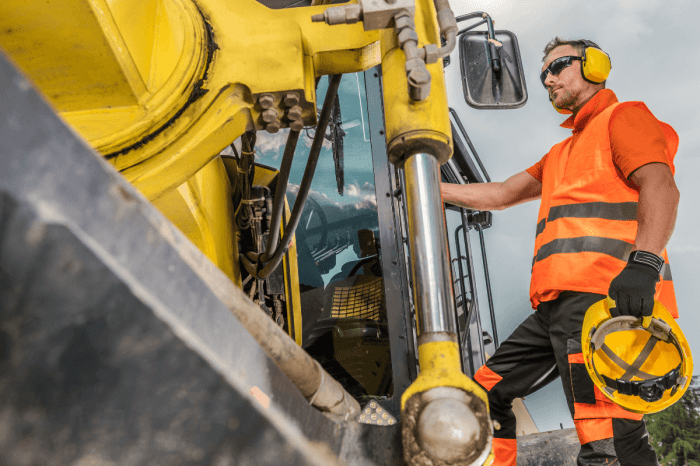
Preventing heavy machinery malfunctions in the workplace is crucial for maintaining a safe environment for employees. Implementing effective mitigation strategies can help reduce the risk of accidents and injuries.
Regular Inspections and Maintenance
One of the most important mitigation strategies is to conduct regular inspections and maintenance routines for heavy machinery. This involves checking for any signs of wear and tear, lubricating moving parts, and repairing any damaged components. Regular inspections can help identify potential issues before they escalate into major malfunctions, ensuring the machinery operates smoothly and safely.
Use of Technology and Automation
Employing technology and automation can also enhance workplace safety and prevent malfunctions. Implementing sensors and monitoring systems can help detect abnormalities in machinery operation, allowing for timely intervention before a malfunction occurs. Automation can also help streamline processes and reduce the risk of human error, further improving overall safety in the workplace.
Closure
In conclusion, the discourse on Heavy Machinery Malfunction: Product Liability vs. Workplace Safety Violations underscores the need for a comprehensive approach towards ensuring workplace safety and holding accountable those responsible for product defects. By addressing these issues head-on, we pave the way for a safer and more secure work environment for all.
Query Resolution
What is product liability?
Product liability refers to the legal responsibility of manufacturers for any defects or malfunctions in their products that cause harm to consumers or users.
How do workplace safety regulations help prevent heavy machinery malfunctions?
Workplace safety regulations establish guidelines and standards that companies must follow to ensure proper maintenance and operation of heavy machinery, reducing the risk of malfunctions.
What are some common factors contributing to heavy machinery malfunction?
Factors such as poor maintenance practices, lack of training, and human error can all play a role in heavy machinery malfunctions.
Why are regular inspections and maintenance routines important for heavy machinery?
Regular inspections and maintenance help identify potential issues early on, preventing serious malfunctions and ensuring the machinery operates smoothly.
How can technology and automation enhance workplace safety in relation to heavy machinery?
Technology and automation can improve safety by providing real-time monitoring of machinery, automated safety protocols, and predictive maintenance capabilities.