HVAC Maintenance Contract Cost in Houston, Texas: What Homeowners Should Expect in 2026 sets the stage for this informative discussion, offering insights into the anticipated costs and expectations for homeowners in the upcoming year.
As we delve deeper into the details, you'll gain a comprehensive understanding of what to expect regarding HVAC maintenance contract costs in Houston, Texas.
Overview of HVAC Maintenance Contracts
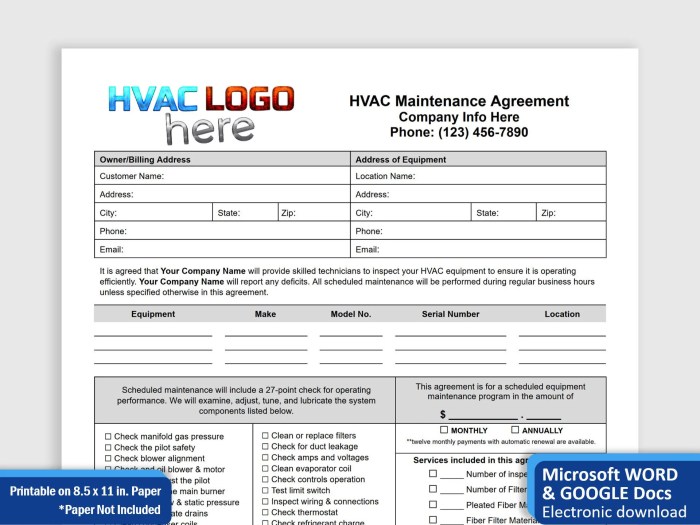
HVAC maintenance contracts are essential agreements between homeowners and HVAC service providers to ensure the regular upkeep and servicing of heating, ventilation, and air conditioning systems in residential properties.
Typical Components of HVAC Maintenance Contracts
- Regular inspections of HVAC systems
- Cleaning and replacing air filters
- Lubrication of moving parts
- Checking and adjusting thermostat settings
- Testing system performance and efficiency
Benefits of Having a Maintenance Contract
- Improved energy efficiency and reduced utility bills
- Extended lifespan of HVAC systems
- Early detection of potential issues and preventive maintenance
- Priority service in case of emergencies or breakdowns
Common HVAC Maintenance Tasks Covered in Contracts
- Checking refrigerant levels and adjusting if necessary
- Inspecting and cleaning condenser coils
- Testing electrical connections and controls
- Inspecting ductwork for leaks or blockages
Factors Influencing HVAC Maintenance Contract Costs in Houston, Texas
When it comes to HVAC maintenance contract costs in Houston, Texas, several key factors play a crucial role in determining the overall pricing. These factors can vary from the size and age of the HVAC system to the geographical location of Houston itself.
Size of the HVAC System
The size of the HVAC system is a significant determinant of the maintenance contract cost. Larger HVAC systems typically require more extensive maintenance and inspections, which can result in higher contract prices. Conversely, smaller systems may require less frequent maintenance and can be more cost-effective in terms of contract expenses.
Age of the HVAC System
The age of the HVAC system also plays a pivotal role in influencing maintenance contract costs. Older systems tend to require more frequent repairs and part replacements, leading to higher maintenance expenses. In contrast, newer systems may be more efficient and require less maintenance, resulting in lower contract costs.
Location in Houston, Texas
The location of the HVAC system, specifically in Houston, Texas, can impact maintenance contract costs due to the climate and environmental factors in the region. Houston's hot and humid climate can put additional strain on HVAC systems, leading to more frequent maintenance requirements and potentially higher contract prices compared to regions with milder climates.
Cost Breakdown for HVAC Maintenance Contracts in 2026
When considering HVAC maintenance contracts in 2026, it is essential to understand the breakdown of costs associated with these agreements. Different service providers may offer varying pricing structures, and additional services or add-ons can impact the overall cost. Seasonal variations in contract costs may also play a role in determining the final price homeowners can expect to pay.
Typical Costs Associated with HVAC Maintenance Contracts
- Annual Inspection: This typically includes a thorough check of the HVAC system to ensure it is functioning correctly and efficiently. Costs can range from $100 to $200 per year.
- Filter Replacement: Regular filter replacements are crucial for maintaining indoor air quality and system efficiency. Filters can cost anywhere from $10 to $30 each, depending on the type and quality.
- Cleaning Services: Professional cleaning services for HVAC components such as coils, ducts, and vents may incur additional costs, usually ranging from $100 to $300 per service.
Pricing Structures of Different HVAC Service Providers
- Flat Rate: Some providers offer a flat-rate pricing structure for their maintenance contracts, where homeowners pay a fixed fee for specified services.
- Tiered Packages: Other providers may offer tiered packages with different levels of service and corresponding costs, allowing homeowners to choose the option that best fits their needs and budget.
- Pay-Per-Service: Certain providers may offer pay-per-service options, where homeowners only pay for the specific maintenance tasks performed on their HVAC system.
Seasonal Variations in Contract Costs
- Off-Peak Seasons: Contract costs may be lower during off-peak seasons when HVAC companies are less busy, offering discounts to attract more customers.
- Peak Seasons: On the other hand, contract costs may increase during peak seasons, such as summer and winter, when demand for HVAC services is high.
- Promotional Offers: Some providers may offer promotional discounts or deals during specific times of the year, allowing homeowners to save on their maintenance contract costs.
Impact of Additional Services or Add-Ons on Overall Cost
- Extended Warranties: Opting for extended warranties or additional coverage for parts and labor can increase the overall cost of an HVAC maintenance contract.
- Emergency Services: Including emergency service calls or after-hours support in the contract may also lead to higher costs due to the added convenience and coverage provided.
- Advanced Technology: Incorporating advanced technology or smart home features into the maintenance contract may come at an extra cost but can offer enhanced system performance and control.
Understanding the Value Proposition of HVAC Maintenance Contracts
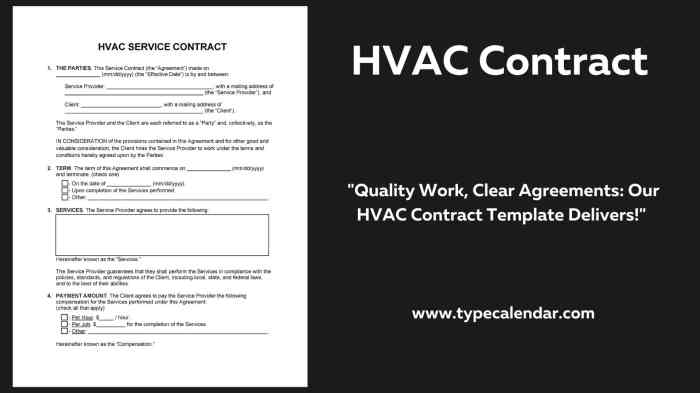
Regular HVAC maintenance contracts offer significant long-term cost savings for homeowners. By scheduling routine maintenance checks and tune-ups, homeowners can identify and address small issues before they escalate into major problems that require costly repairs. This proactive approach not only saves money but also ensures that the HVAC system operates efficiently, reducing energy consumption and utility bills.
Long-Term Cost Savings
- Regular maintenance helps identify and fix minor issues before they become major problems, saving homeowners from expensive repairs down the line.
- Well-maintained HVAC systems operate more efficiently, reducing energy consumption and lowering utility bills over time.
Preventing Costly Repairs
- Maintenance contracts include regular inspections and tune-ups, which can catch problems early and prevent them from turning into costly repairs.
- Addressing issues promptly can extend the lifespan of the HVAC system and prevent breakdowns that may require emergency repairs.
Improving Energy Efficiency
- A well-maintained HVAC system operates more efficiently, using less energy to heat or cool the home effectively.
- Regular maintenance ensures that the system is clean, properly calibrated, and running at peak performance, reducing energy waste.
Extending HVAC System Lifespan
- By following a maintenance schedule Artikeld in the contract, homeowners can prolong the lifespan of their HVAC system, delaying the need for costly replacements.
- Proper maintenance, including cleaning, lubricating, and inspecting components, can help prevent wear and tear, preserving the system's longevity.
Summary
In conclusion, HVAC Maintenance Contract Cost in Houston, Texas: What Homeowners Should Expect in 2026 sheds light on the essential aspects of maintaining HVAC systems and the associated costs. Stay informed and prepared as you navigate through the realm of HVAC maintenance contracts in the coming year.
FAQ Insights
What are the typical components included in an HVAC maintenance contract?
The typical components include regular inspections, filter replacements, cleaning of coils, and lubrication of moving parts.
How does the size of the HVAC system impact the contract cost?
Larger HVAC systems generally require more time and resources for maintenance, leading to higher contract costs.
Are there any seasonal variations in HVAC maintenance contract costs?
Yes, prices may vary seasonally due to increased demand during harsh weather conditions.
How can maintenance contracts help prevent costly repairs?
Regular maintenance can identify issues early on, preventing them from escalating into costly repairs.